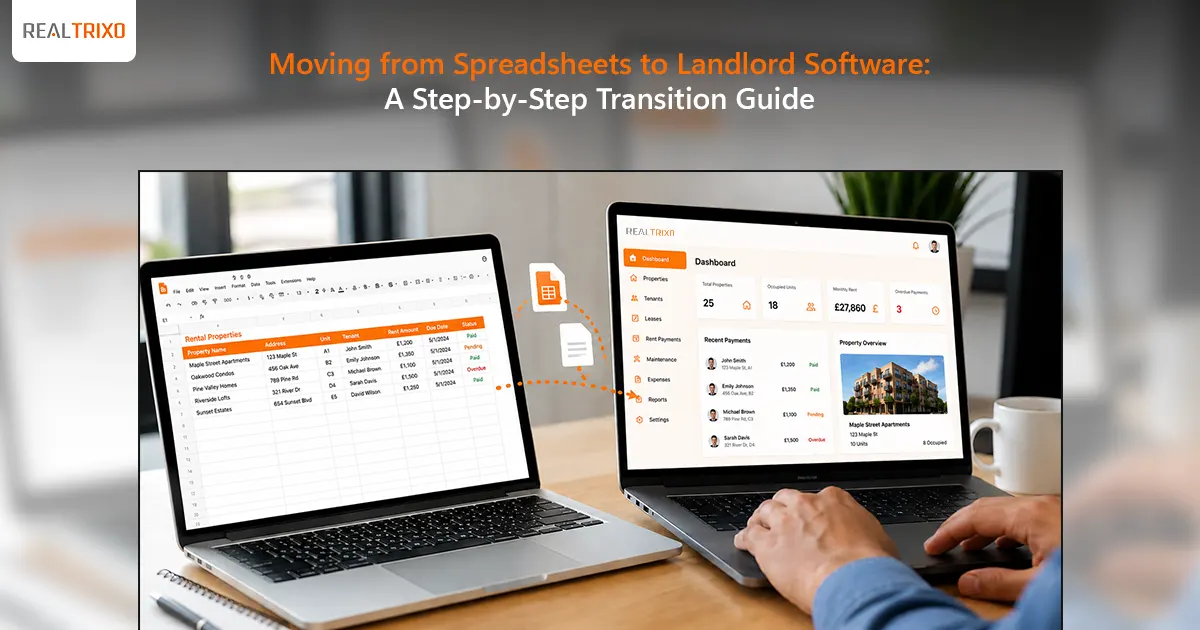
Managing data is full of hassle, especially when it’s related to real estate projects, where minimal costs also count a lot. If you’re using a spreadsheet to manage all of your business’s workflow and aim to shift to landlord software, here we’ll explore the detailed process. You’ll learn how to transition your existing data into a newly developed tool that is built to cater to your custom demands. So, let’s read on to know more.
Why Are Spreadsheets No Longer Property Management Crowns?
There was a time when spreadsheet-based software was the primary tool to manage property and real estate projects. From sourcing materials to receiving the rent from the tenants, each of the jobs relied on spreadsheets, and any mistake in these documents led to wasting hundreds of productive hours.
Unfortunately, that’s not the case as we’re in the third decade of the 21st century. Now there are dozens of online and web-integrated tools that can manage the data more accurately than ever. Tasks that previously took days and even weeks to extract meaningful insights are now available in a matter of clicks.
Meanwhile, the transition from the traditional sheets to modern software isn’t guesswork. But it’s built to cater to industry demands and empower landlords to have a glance over their inputs, returns, and beyond.
Process to Set up Property Management Spreadsheets
The process of shifting from old to new property management systems isn’t complex if followed by the step-by-step phases. Below is the general framework that can be followed for your system upgrade:
Software Selection
The first step to shift from conventional means of systems towards modern high-tech tools starts with the usage demands. For instance, for a small company, having real estate at different locations may enable them to manage their processes on standard software. But for a large-scale commercial-level project, such as a Real Estate Investment Trust (REIT), they may need a functions-rich tool that fulfils their job demands.
Since there’s a gap between the demands of each level of clients. The one-size-fits-all approach won’t work here at all. That’s why businesses have to opt for a solution that offers standard features on the property management tool. Above that, it allows expandability to let them modify the entire algorithm as per the needs of the hour.
Though the whole setup won’t be done by the client. But a reliable company like RealTrixo offers a full-fledged solution to offer custom solutions that are fully tailored. While they ensure that the new development system is seamlessly deployed and upgrade the business operations to their best.
Information Migration
Once the new system is ready. The next phase comes from inputting the data and making the system operational. For most, the process may not take more than several hours. But if the data is stored in manual records, then this can increase the time.
Though there are no risks with modern cloud-based software, as they frequently create proxies to minimise the loss during the migration. However, we recommend that you create a separate backup of the entire data before starting the migration process.
Roll Out Strategically
The perk of not shifting in one go allows your stakeholders not to face any hurdles and go through the downtimes. At the initial stage, you can select a dedicated usage for the customers whom you want to get the software tested. If any errors occur, you’ll identify them proactively and fix them.
Meanwhile, you can deliberately give permissions to all team members, clients, and other stakeholders with their respective online portals. This phase-based rollout seamlessly shifts your property business into a high-tech system that is all about efficiency.
Have a Backup Plan
Before you entirely shift your workflows to a newly deployed system. It’s recommended to have the parallel system operational to minimise the risks of uncertain events. Since the new ecosystem is unfamiliar to the employees at all scales, it’s better to shift to it rather than make a sudden jump.
Doing so allows you to have control over mismanagement and software glitches. It also ensures that your precious data remains safe. The timeline of using the previous system can vary as per the availability of the new one, but it’s recommended to stay on the course for 2-4 weeks or even more.
Tip: Other than the initial training session for the new property management software, schedule weekly or bi-weekly workshops to collaboratively discuss the usability of the system.
Should You Shift from Spreadsheets to Landlord Management Software?
It’s a common query of every client who is just shifting their system from spreadsheets to the property management software. On a small scale, the old spreadsheets may still work fine with their limited features for data insights.
Whereas, for large and commercial-level projects, they can’t compromise their growth for the sake of saving a few thousand dollars. It’s a no-brainer for them to shift immediately from the accounting software for landlords to full-fledged, custom-developed property software solutions.